

Project Zomboid Build 42 moved to the stable branch on Wednesday, July 29, 2026. Version 42.20.0 is now the one Steam installs by default, with no intermediate testing step. For a solo game, it’s one more update. For a dedicated server, it’s a change of foundation: worlds created on the 42.19 test branch aren’t carried over, and the mod list must be rechecked before reopening to players.
What The Indie Stone published between July 24 and 29
On July 24, 2026, the studio announced that version 42.20 would arrive “directly on the public stable branch, on Wednesday, July 29”. The announcement also unveiled a new Build 42 trailer for the game’s Steam page (“Build 42 stable plans” announcement).
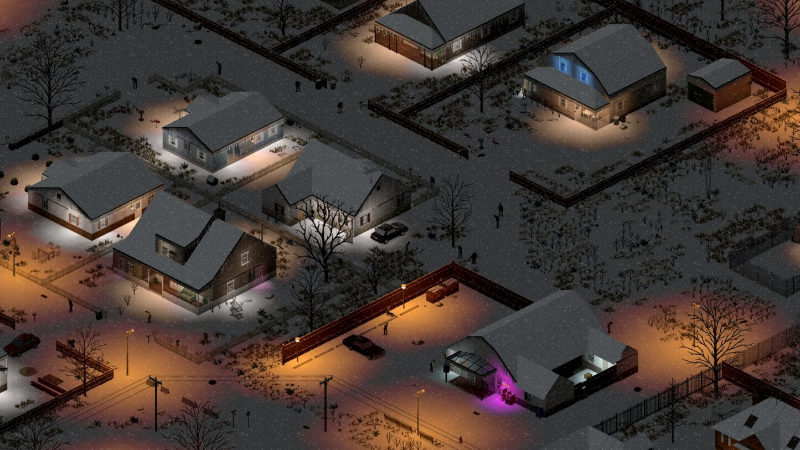
On July 27, a second post, “42.20: The Big Glow Up”, detailed the main content of this version: a major overhaul of the Knox Event Exclusion Zone, the fictional Kentucky region where the game takes place, going beyond what unstable branch testers had already explored.
On July 29, the “Build 42.20.0 Stable Released” announcement confirmed the release, published in the early afternoon Paris time. It adds a more discreet piece of information: a security fix was also shipped for Builds 41 and 42.19, following a responsible disclosure credited to Jorge Escabias. The studio specifies that this change “has a low chance of affecting some mods” (official release announcement).
Stable branch: on Steam, the same game can offer several installable versions, called branches. The stable branch is the one installed by default; an “Unstable” branch is used for testing before validation. Until July 29, Build 42 was only available on that test branch.
A heavily reworked Knox exclusion zone
The heart of this version is map work. The studio describes neighborhoods reworked to look more lived-in and believable, in an area unstable branch players already partly knew. The Steam announcements give no figures: the exact scale of the overhaul, in area or number of buildings, remains to be checked in the full post published by the studio.
Before release, The Indie Stone had listed the work in progress on this version: character spawning, controller support, butcher hook meat yield, vehicle towing, and two specifically multiplayer points — automatic zombie removal (“zombie culling”) and loading map chunks while driving. These last two points weigh most on a shared server, where several players’ movements add up.
Saves: why a 42.19 world doesn’t carry on in 42.20
This is the point to remember before any server update. In its July 9, 2026 post, the studio stated that due to a major content update, 42.19 saves would not be transferable to 42.20. It added that 42.19 would remain available on a dedicated branch, called “outdatedunstable” at the time, to finish an ongoing game (“Next steps” post of July 9).
World save: on a dedicated server, the world is stored in a folder separate from the game files. A new version can change the structure of these files: the world then becomes unreadable for the server, even if no file was lost.
In practice, three steps are enough: copy the world folder before the update, plan a new world rather than a conversion, and announce the reset date to players. A hosting panel makes the first two immediate, with a file manager to retrieve the folder and a backup to keep a dated copy. The method doesn’t change from one game to another: it’s the same as the one described for Valheim 1.0, or for Minecraft test versions.
Mods and tools: what’s moving around the server
The security fix shipped on July 29 for Builds 41 and 42.19 can, by the studio’s own admission, affect some mods. On a server, a mod that doesn’t load is enough to block connections: reviewing the list, one mod after another, remains the longest step of a migration, and the hardest to delegate.
The Indie Stone also described what follows this move to stable: first the quick fixes deemed necessary, then a late-game-focused tuning patch, the release of its mapping tools (WorldZed, TileZed) and its internal animation editor AnimZed, and finally, over the rest of 2026, a “Build 42 Support Update” dedicated to optimization, modding support and player requests that had been set aside.
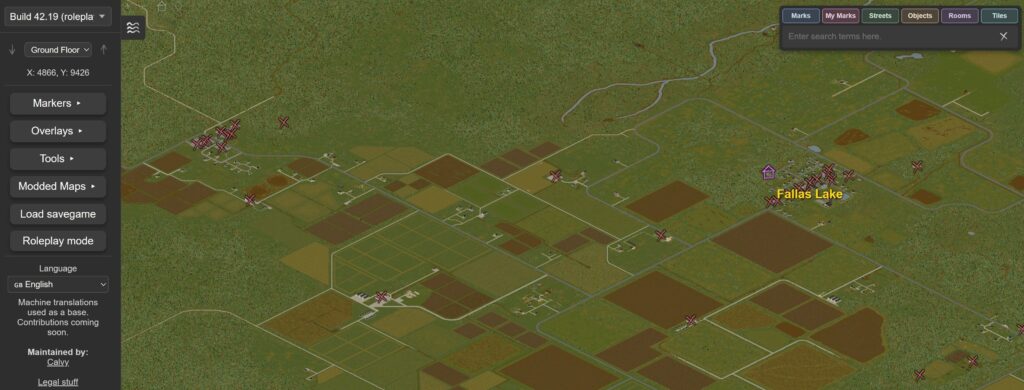
On the resources side, the official map project was rewritten and now supports Build 41, Build 42 and earlier versions. It’s a useful tool for spotting reworked areas or setting a common starting point before relaunching a multiplayer game.
The likely impact on dedicated servers
What follows is analysis, not official announcements.
The first useful reflex is to wait. A move to the stable branch is almost always followed by quick fixes, and a server updated on the same day may need restarting several times in the same week. Pushing the migration back a few days after July 29 limits this risk, provided you warn players rather than letting them discover a connection error.
Next comes version alignment: client and server must run the same version for the connection to succeed. A server left on 42.19 becomes inaccessible to players already on 42.20, and the reverse is also true. A version selection feature, when the panel offers one, is exactly what handles this gap during a transition.
Finally, no official data on 42.20’s CPU or memory needs has been published at this stage. The available data doesn’t yet confirm whether the new map significantly changes a server’s load: it’s better to observe your own server’s behavior after migration than to add resources blindly.
What remains to be confirmed
- The exact name of the branches for staying on an earlier version: the July 9 post mentions “outdatedunstable” for 42.19, but these labels may have changed on release day.
- The fate of worlds created in Build 41: official communication concerns 42.19 saves. Until this point is settled, a new world remains the cautious assumption.
- The pace of fixes in the first few days, which will determine the right migration date for a community server.
- The quantified scale of the map overhaul, absent from the Steam announcements consulted.
Further reading
- “Build 42.20.0 Stable Released” announcement (July 29, 2026): the official release of the version, mentioning the security fix.
- “Build 42 stable plans” announcement (July 24, 2026): the announced schedule and the Build 42 trailer.
- “Next steps” post (July 9, 2026): the studio’s roadmap through the end of 2026, saves included.
- Preparing a Valheim server before 1.0: the same backup and reset method applied to another game.
- Enshrouded server before 1.0: how to anticipate a major version change without losing your community.